


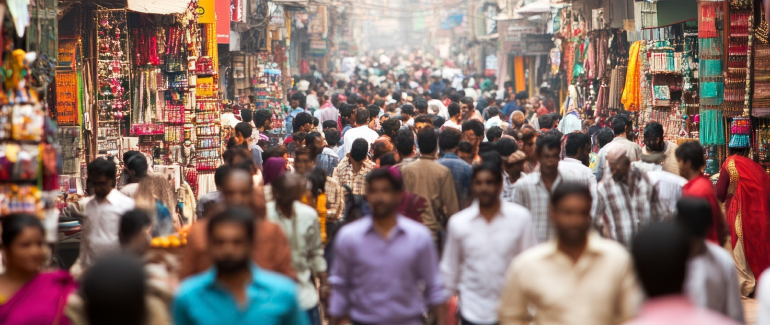
India’s cultural landscape is a vibrant tapestry woven with threads of diverse traditions, languages, religions, and practices. Yet, amidst this vast array of cultures, there exist numerous marginalized communities whose stories often remain hidden from the mainstream narrative. These communities have made remarkable contributions to India’s social, cultural, and historical fabric, yet their recognition has often been overlooked or sidelined. Museums dedicated to preserving the heritage of these unsung communities play a vital role in giving them a voice, preserving their traditions, and celebrating their contributions.
In this blog, we will delve into the lives of several lesser-known groups in India, focusing on how dedicated museums help shine a spotlight on their rich heritage and contributions to the country’s cultural mosaic.
Marginalized Communities in India: The Unsung Heroes
India is home to a rich diversity of communities, many of whom have lived on the fringes of mainstream society. These communities include tribal groups, nomadic tribes, artisans, and social minorities whose histories and stories are often ignored or misrepresented. Some of the most significant marginalized groups in India include the Siddi community, the Banjaras, the Bhils, and the Lambadis.
The Siddi Community
The Siddis are an Afro-Indian community whose ancestors were brought to India as slaves or sailors by the Portuguese during the colonial period. Despite their African roots, Siddis have developed a unique cultural identity, blending African traditions with Indian customs. They are primarily found in Gujarat, Karnataka, and Maharashtra, yet their contributions to Indian music, dance, and culture remain largely unrecognized by mainstream society.
The Banjara Community
The Banjaras, often referred to as India’s gypsies, are a nomadic group traditionally associated with trading and transporting goods across the country. With their vibrant clothing, beadwork, and embroidery, the Banjaras represent an ancient culture that has withstood the pressures of modernity. However, their nomadic lifestyle and marginalized status have often led to their misrepresentation in mainstream narratives.
The Banjara community, one of India’s largest and oldest nomadic groups, has a rich history deeply intertwined with trade, craftsmanship, and cultural resilience. For centuries, they have contributed to India’s social and economic landscape through their trading routes and artisan crafts, yet their story has often been left untold in mainstream narratives.
The Banjara Virasat Museum in Poharadevi, Maharashtra, plays a crucial role in rectifying this oversight by providing a dedicated space to celebrate, preserve, and showcase the heritage of the Banjaras. This museum is more than just a place of exhibition; it is a living testament to the Banjara community’s resilience, culture, and contributions to India.
The Bhils and Lambadis
The Bhils are one of the largest tribal communities in India, known for their agricultural practices, rich folklore, and vibrant traditions. Similarly, the Lambadis (or Banjara tribes) are known for their distinctive dance, music, and craftsmanship. Yet, both of these communities have long been marginalized, with their histories often overlooked by historians and cultural institutions.
The Artisans of India
In addition to these communities, India is also home to countless artisans, many of whom belong to marginalized backgrounds. These craftspeople, who create everything from textiles to pottery, are often relegated to the fringes of society. Their contributions to India’s rich cultural heritage are immense, yet their work remains undervalued and underappreciated.
The Role of Museums in Celebrating Marginalized Communities
Museums dedicated to marginalized communities serve as critical spaces where hidden histories can be preserved and shared. These museums are not just repositories of artifacts; they are living, breathing spaces that actively engage with the community’s past, present, and future. By providing a platform to showcase the art, culture, and history of these unsung communities, museums play an essential role in giving them recognition and fostering pride.
Preserving Cultural Heritage
One of the primary roles of a community-focused museum is to preserve cultural heritage that may otherwise be lost. Banjara Virasat Museum, for example, plays a crucial role in preserving the Banjara community’s traditional textiles, jewelry, and folk music. These items, along with oral histories and traditional craftsmanship, form an integral part of the Banjara community’s identity. The museum ensures that these cultural markers are protected from the ravages of time and shared with future generations.
For the Siddi community, the preservation of their African roots is equally important. Musical instruments, dance forms, and traditional attire tell the story of their African heritage intertwined with Indian culture. Without museums that focus on these communities, such cultural artifacts may disappear, and their legacy may be forgotten.
Giving a Voice to the Marginalized
Marginalized communities often suffer from underrepresentation in history and culture. By creating dedicated spaces for these communities, museums help amplify their voices and shed light on their contributions to Indian society. The Banjara Virasat Museum does this by documenting and celebrating the Banjara way of life, from their ancient trade routes to their craftsmanship.
Additionally, museums provide an opportunity for community members to share their own stories. Rather than relying on external narratives, these museums offer a space where the community’s history is self-represented, and their unique contributions are recognized. This empowerment is vital for social and cultural pride.
Creating Social Awareness
Community museums also serve as educational tools for the general public. Many of the communities featured in these museums have been historically misrepresented or ignored by mainstream society. Through engaging exhibits and programs, these museums challenge stereotypes, dispel myths, and educate visitors about the rich diversity of India’s cultural landscape.
By celebrating the heritage of marginalized communities, museums promote cultural understanding and respect among people from different backgrounds. Visitors to the Banjara Virasat Museum leave with a deeper appreciation of the Banjara community’s resilience, artistry, and contributions to India’s cultural tapestry.
How Museums Foster Social Pride
For marginalized communities, seeing their heritage celebrated and preserved in a museum is a powerful source of pride. When these communities see their culture represented in such a positive light, it fosters self-esteem and social dignity. Museums also reaffirm the importance of maintaining their cultural practices, thus encouraging the younger generation to stay connected to their roots.
In the case of the Siddi community, the presence of a museum that showcases their African heritage offers a sense of recognition, dignity, and pride. It not only validates their identity but also empowers them to preserve and continue their cultural traditions.
Supporting Cultural Tourism and the Local Economy
In addition to preserving and celebrating culture, community museums also boost local economies through cultural tourism. As interest in India’s diverse cultures grows, museums focusing on marginalized communities can attract both national and international tourists. This influx of visitors helps generate revenue and provides economic opportunities for local artisans, guides, and small businesses.
The Banjara Virasat Museum, for example, not only educates visitors but also serves as a platform for local artisans to sell their crafts. This ensures that the traditional arts and crafts of the Banjara community remain sustainable and economically viable.
Inspiring Future Generations
One of the most lasting impacts of community museums is their ability to inspire future generations. By showcasing the history, struggles, and triumphs of marginalized communities, these museums help instill a sense of pride and ownership in younger generations. Children and young adults who visit these museums gain a deeper understanding of their heritage and are encouraged to celebrate and preserve it.
Whether it’s a Siddi child learning about their African roots or a Banjara youth discovering their community’s craftsmanship, museums inspire future leaders to continue the cultural legacy.
Conclusion
Community museums, such as the Banjara Virasat Museum, are crucial for preserving the cultural heritage of marginalized communities in India. They not only act as preservers of history but also empower communities by giving them a voice, fostering pride, and ensuring that their contributions are recognized. Through dedicated exhibits, educational programs, and community involvement, these museums play a significant role in creating a more inclusive society and celebrating diversity.
As we move forward, it is essential to continue supporting these cultural spaces, not just as repositories of history, but as dynamic platforms for education, empowerment, and social change.